Showing posts with label light low fat curries. Show all posts

Sunday, August 11, 2013

murgh safaid qorma : a white stew with chicken and almond paste..


Safaid qorma or safed korma or chicken or murgh safeda as it is called in Banaras, this delicately flavored chicken stew is easy to make and creates a stir every time I cook it. Actually all the white curries we make are very curiosity inducing among the guests and extended family. While many light colored curries are popular in UP, all of them using some or the other kind of nut paste as a base, a pure white curry is something people keep coming back to. Second and third helpings are normal as the stew is not spicy as well. Very delicate flavors or spices used and a rich broth of chicken make this stew quite interesting. Although I would suggest to serve this stew along with some more spicy side dishes, at least a spicy raita or green chutney and raw onion slices if you are cooking it as a routine homely meal, we prefer this stew with just warm fluffy home baked naans.

ingredients...
for 8-10 servings

To simmer together..
8 -10 chicken thighs on bone cut into 3 pieces each
1.5 L water
ginger garlic paste 2 tbsp
4-5 black cardamoms crushed lightly
8 green cardamoms
20 cloves
2 large sticks of cinnamon (dalchini)
2 tsp lightly crushed pepper corns
salt to taste

200 gm almonds, soaked for 3 hours
a cup of full fat milk or a bit more
2 pinches of nutmeg powder
1 tsp of cinnamon powder

Yes, there is no additional oil used in this stew. All the fat me from the chicken, the nuts and the full fat milk used.

procedure...

Put everything under the simmer together list in a deep wide pan or stock pot and simmer for about 1.5 hours. There will be a lot of scum during this, you can remove it if attending the simmering pot or let collect on the top. Keeping the pot half covered makes sense or just place a loosely fitting lid over it.

Mean while, peel all the almonds and make a nice smooth paste adding the milk if required. Add the nutmeg and cinnamon powders to this paste and blend once more to incorporate. Keep this paste aside.

Remove all the chicken pieces from the simmering broth and put them all into a kadhai, removing any scum if it get stuck to the pieces. Now strain the stock over the chicken pieces and discard all the scum and whole spices that collects into the strainer. This is a trick to get a clear smooth and pure white gravy for this stew.

Now add the almond paste and the milk, adjust seasoning by adding salt if required and simmer for 5-8 minutes more. Serve hot or warm with your choice of accompaniments.

We have served this stew with biryanis, with naans and with an elaborate meal many times and the chicken safaida was appreciated well by the guests every single time I cooked it. The stew is very lightly spiced but you can adjust the spiciness to your taste.

I make it a point to adjust the heat into this stew according the preference of people having it. Adding some white pepper powder, some yellow chilly powder and simmering a few slit green chilies in the first step helps getting some heat into this stew. But we like it the way I cooked this time.

Do let me know if you try this chicken safaida. I have posted a mutton safaida or gosht safaida as well and that is a frequently repeated recipe at my place too. Another whitish curry called chicken rezala is also a white chicken stew, another chicken stew mughlai style is whitish but way different from this one, and a chicken in a creamy white gravy. All these are favorites, but get made according to what we are planning on the side. Try all of these and see which one you like.

You can always cook these curries with vegetarian options too, paneer and lightly fried cauliflowers will be wonderful in this curry I feel.

Thursday, August 30, 2012

Homemade bhuna masala : ready to use bhuna masala for UP style curries and more...


Bhuna masala is a convenience you would love having when pressed for time. I make a container full of it quite often for quick curries like alu matar, alu parval and the likes. One heaped tablespoonful of this bhuna masala is enough for 2-3 large servings of a curry.

bhuna masala recipe

Recently when I made a large amount of this bhuna masala for a friend who is recuperating from a surgery, so that her family can cook the daily subzi conveniently and quickly, I was taken in for a surprise. Her family has roots in eastern UP, but they had forgotten the taste of the subzi of their parents home. Incidentally, this bhuna masala was used extensively at her place for daily subzi and as it happens, her home was visited by all her siblings and other guests who belong to UP. This bhuna masala got famous in all her khanadaan to my surprise. But the bigger surprise was, they all thought it is some kind of a secret recipe of mine, as I haven't posted it on my blog. So when my friend told me how they were assuming it to be a secret recipe, I told her to wait for a few days till I post it.

And here is the recipe for the now famous bhuna masala. Simple procedure, takes about half an hour for this quantity but saves time for you daily cooking. The trusted mixie will be required and a few different pastes made in quick succession, one after the other and bhunoed well in a thick base kadhai.

You certainly need a thick base kadhai, a sturdy spatula, a chutney jar of your mixer grinder machine or whatever machine you are using and about 30-40 minutes to do all the peeling, chopping and grinding and then some bhunoeing patiently.

ingredients...
(for 15-20 servings of daily subzi)

For paste A
roughly chopped onion (2 large) or 250 gm
I prefer a mix of large onions and the baby onions for good effect

For paste B
roughly chopped ginger 2 inch piece
20 garlic cloves peeled ( I use them unpeeled sometimes )
15-20 whole dry red chillies

For paste C
3 tbsp whole coriander seeds
2 tbsp whole cumin seeds
1.5 tbsp whole black peppercorns
4 black cardamoms, broken to open up
4 green cardamoms
8 cloves
2 inch piece of cinnamon, broken into small pieces
12 Tejpatta scissor cut to small bits
1 tsp of syah jeera
one thin sliver of Javitri (mace)
1 tbsp of turmeric powder

For paste D
3 large red ripe tomatoes 250 gm, chopped roughly (optional)

others..
a cup of Mustard oil to fry the masala
2 tsp whole cumin seeds
salt to taste (just to season the masala paste)

procedure...

Make a coarse paste of the onions, that is the paste A in the ingredients list. Mean while heat the oil in the kadhai and tip in the cumin seeds and wait till they splutter.

Pour in the onion paste into the hot oil and fry till the onion paste starts turning pinkish. Adding the salt at this time hastens the process.

While the onion paste gets browned, make the paste B and keep it a separate bowl. This has to be added when the onion paste turns pinkish brown.

Since browning the onion takes some time, proceed with making the paste C. All the dry whole spices have to be ground dry first and then a little water will be added so it becomes a nice smooth paste. Stop, check, add some water if required and whizz the mixie again to make a smooth paste. You might need to repeat checking and blending a couple of times.

By the time this paste C is ready, the onion and ginger-garlic-red chilly paste would be cooked and pinkish brown. Add this spices paste to the cooking mixture and start mixing and bhunoeing over medium flame. While doing this, you would need to scrape the cooking masala from the sides of the kadhai and keep doing it till the browned parts are scraped and the uncooked parts get browned in turn. Some water can be sprinkled if you feel the cooking masala is sticking to the base. It is called deglazing technically, but scraping and quenching the dryness with a sprinkle of water is enough to understand for new cooks.

Slowly, you would notice the browning of the masala paste and an aromatic whiff coming from the kadhai, the unmistakable aroma of bhuna masala indicates it is about to be ready. The visual indication of the masala getting ready is, it develops a glaze, a shining surface if not the separation of oil from the masala. The oils separates and starts bubbling on the sides if there is some more oil being used.

This whole process takes about 22 minutes on medium flame, you can make the tomato paste in the meanwhile.

Now is the time to add the tomato paste (if using). Mix well and cook for another 5 minutes or till the tomato paste cooks and gets homogenised with the bhuna masala. I normally add fresh tomato paste at the time of making the curry.

Take off heat, cool down and immediately pack into airtight container and refrigerate. Keeps well for about 2 weeks if refrigerated well.

bhuna masala recipe

I would suggest you to refrigerate while it is still warm. And do not keep outside for long, just take out required amount every time and place back into the fridge.

The bhuna masala should be seasoned just for it's own quantity, so add salt accordingly. Whenever you have to make a subzi, add salt according to the quantity of the veggies used , the bhuna masala paste will have it's own.

I am sure this recipe will be useful for many of you. Minor changes can be done when you want to cook different types of curries with the same bhuna masala. There is no chance of getting the taste or flavors  repeated even if you use the same bhuna masala everyday.
  • Like a methi matar malai can be cooked by adding some Kasoori methi and fresh cream to the bhuna masala paste and required amount of paneer and peas.
  • Quick matar paneer with just a tablespoon of fresh cream added to finish.
  • Or a quick chhole, boiled with required amount of this bhuna masala and finished with amchoor powder and chopped coriander greens.
  • Rajma can be cooked too with this same bhuna masala, some butter and some more tomatoes added while boiling the soaked kidney beans would result into a nice rajma.
  • The fresh vegetables impart their own taste to the curry being cooked and you can always use a few extra ingredients to make the curry different every day.
  • I like sliced lotus stem just boiled with this bhuna masala a lot. May be with some green peas or soaked black chickpeas.
  • All soy chunks curries taste really good with this bhuna masala, in addition to some cauliflowers and potatoes it is a classic daily grub for many of us.
This bhuna masala can be frozen in an ice tray and then kept sealed in a ziplock bag, one or two cubes to be used as required. Feezers make our lives so easy sometimes.

No more a secret. Make your daily subzi easy peasy.

Some preparation on the weekends, some freezer friendly containers full of chopped vegetables and this bhuna masala and you life is well organised.


Saturday, June 9, 2012

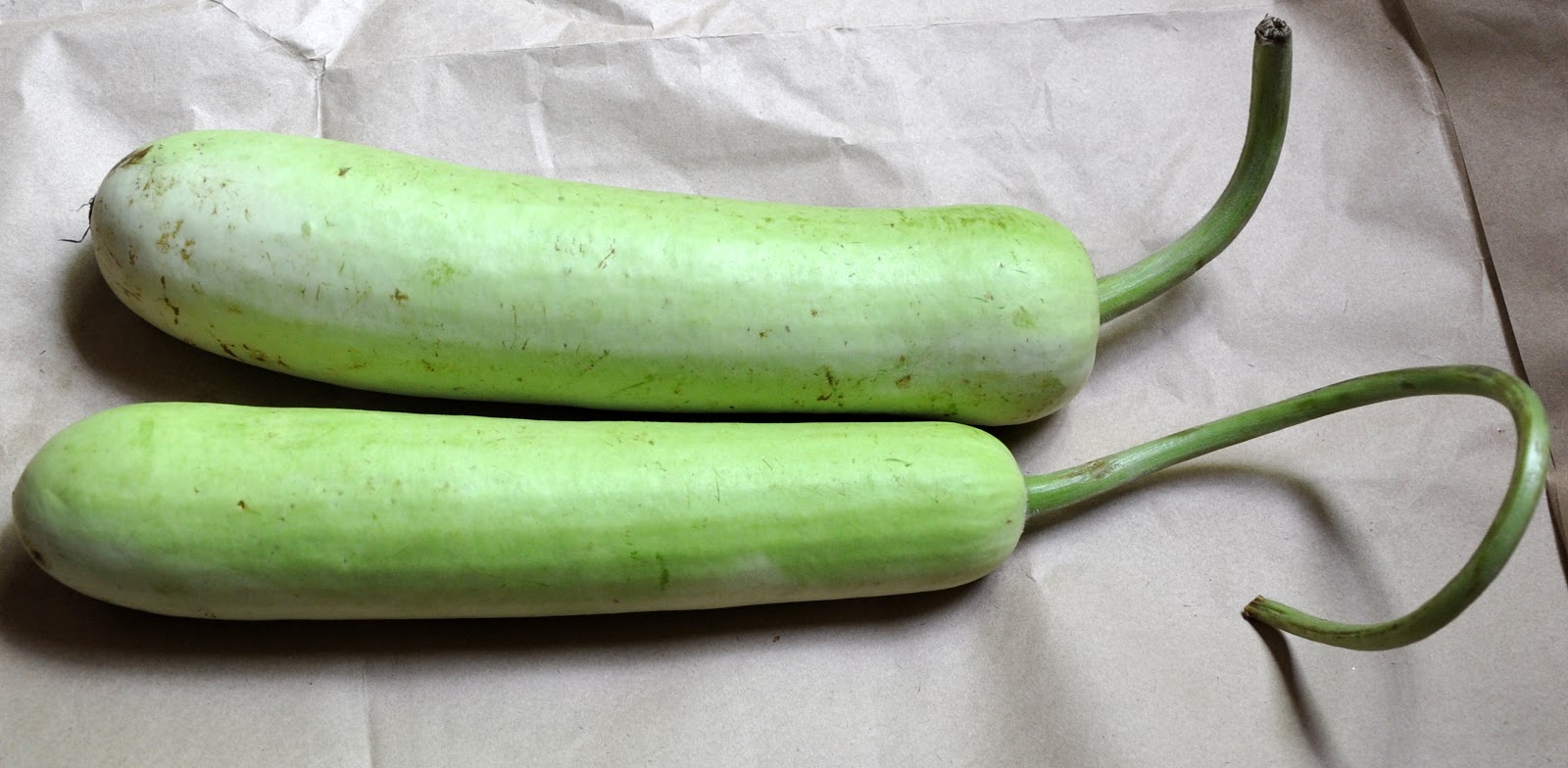
Lauki ki tamatar waali subzi...and how to choose the right bottle gourd..


Someone asked me how to choose a tender Bottle gourd as all of them look the same on the shelf.

Here are a few pointers...


  • Look for fresh green stalks like the picture above. The stalks are generally long when the fresh produce arrives in the stock, the sellers keep nipping the dry ends as it goes on drying. So a stale stock would generally have shorter stalk, browned or bruised, indicating the gourd has been plucked long time back.
  • If you push the skin using your nail, the nail should pierce the skin easily and there should be a pale watery exude ooze out slowly.
  • When you peel the gourd with a potato peeler, it slides smoothly over the skin, peeling a thin uniform skin. The mature guard would be harder and the peeler wouldn't slide on it smoothly, resulting in broken peels.
  • Last but not the least, freshly plucked and tender Bottle gourds have a fine hairy cover at the base of the stalk. See the picture.


Now when the selection of a fresh tender Bottle gourd has been sorted, let's see a recipe that uses a slightly mature one. With tender edible seeds. Even if you have got a gourd with mature hard seeds, just discard the seeds and peel off a thick layer of skin and cube the flesh to make this curry. Pressure cooking ensures the guard is cooked to become tender. Although the peculiar taste of bottle gourd is lost when it is too mature.

This curry uses the not so tender gourds. See the pan cooked version of a simple Lauki ki subzi here.

 ingredients...

Bottle gourd about 700 gm ( few potato cubes can be added along with it too)
2 large tomatoes about 200 gm
ginger grated 2 tbsp
everyday curry powder 1 tbsp
turmeric powder 1 tsp
red chilly powder 1 tsp or to taste
salt to taste
mustard oil 1 tbsp

procedure...

Make a smooth paste of all the ingredients together except the bottle gourd. Chopping the tomatoes before blending everything together in a blender would be convenient.

Peel and cube the bottle gourd in large chunks.

Heat the oil in the pressure cooker pan and tip in the tomato and spice paste into it. Add salt and let the paste cook for 2-3 minutes with the lid placed over the pan. Do not lock the lid for this step. Later , open the lid and cook the paste till it gets reduced a bit. Takes about 3-4 minutes more.

Add the Bottle gourd chunks , toss and mix well. Add about 2 cups of water , close the lid and cook till the whistle blows.

If the BG was hard and tough, you would like to cook it on low flame for about 5 minutes after the whistle blows.

Let the pressure release on it's own, open the lid and serve the curry hot. A garnish of fresh green coriander suits this curry very well. I didn't have the greens when I cooked this curry. Don't miss it if you have.


This curry goes well with chapatis and parathas . I like as a dinner soup as well.

Lauki ki saadi subzi...


 Saada is plain in Hindi and Urdu and saadi subzi means a plain subzi (may or may not be a curry by western standards). Lauki is Bottle gourd. Lauki ki saadi subzi is a regular in most UP homes all through the summer months.

This Lauki ki subzi is a plain jane in many ways. No complex recipe, no extensive spicing and quick cooking. Also, this is the one subzi you cook when you get the most tender Bottle gourd in the market. A mature gourd with seeds and tough skin is not suited for this subzi and if you have got one of those, think about a pressure cooked curry with spices and tomatoes.

So this subzi is an unspoiled taste of tender Lauki, enhanced just with hing and jeera. Ghee adds to the flavor so do not compromise on that.

Though some people feel chopping the lauki this way takes a lot of time, I feel this is one of those vegetables which doesn't require stringing and arranging in bunches to be chopped finely. So just peel it and get it chopped in whatever way you want.

Chopping them finely would result in better taste if you are making this kind of plain subzi in a pan or kadhai. You might like the lauki to be chopped even finer if you have time and the skill to chop them that way.

This medium fine is the way I chop it, more because it saves me time and does taste great as well.


ingredients...

a Bottle gourd weighing around 700 gm
pinch of asafoetida
a tsp of turmeric powder
a tsp of whole cumin
2 whole dry red chillies
a tbsp or some more ghee


procedure...

It's a simple recipe and yet we need to be careful with flame intensity etc. Most importantly the salt should be slightly on the lower side. If you choose a tender Bottle gourd you wouldn't require to add water while cooking. Tender Lauki is the only one suited for this subzi as i indicated earlier.

Heat the ghee and tip in the hing, jeera and red chillies in that order. Wait till they all splutter and sizzle before adding a tsp of turmeric powder. Immediately add the chopped lauki over it and mix well till all the chopped pieces get coated lightly with turmeric and the ghee tempering.

Add salt to taste, always lesser than you think is okay , mix well and cover to cook on low flame. Open the lid and stir after 4-5 minutes and check if the pieces have become soft and moist. There should be some water collected in the bottom by this time. If not, add half a cup of water to it and let it cook for about 10 minutes.

It should be cooked and mushy after 10 minutes or might take a few more minutes depending on how tender is the Bottle gourd. You might like to thrash the subzi a bit to make it mushy.


Serve hot as a side dish or just with hot chapatis and some light daal or raita or plain dahi. This is a minimalist's favorite subzi , great with just chapatis too...

Some people even like it with just plain boiled rice. In that case it is a nice detox meal for you.

Summers call for cooling food and this is one of those easy to cook subzi that saves you from stove as well.
The sponge gourd subzi (Nenua ki saadi subzi) is another of this category.

Check out another Lauki ki subzi cooked in pressure cooker with tomatoes and curry powder. This one is for those mature Bottle gourds with a few seeds and tougher skin.

Do you like such simple food? 

Wednesday, December 14, 2011

jhingey posto...ridge guard with poppy seed paste...bengali style...


Have you ever heard a Bengali talking about food , this is one community madly in love with food . Shopping for food , cooking and serving the food takes a better part of their time and when they start
talking about food they forget about time and space and you feel like being transported into the wonderland of sorshe , kalo jeere , mouri and posto bata ...blah blah blah ..... :)

It was during one such blah blah blah that i realized i would like this jhingey posto which was the hot topic during a club meet . I decided to make it and it became a hot favorite at home . I have never tasted this recipe at any of my bong friends as they tend to overload the dining table with all sorts of meat and fish whenever they invite somebody and the humble veggies are given a miss. For me , it is the simple vegetarian fare of bengali cuisine i like the most and i had to train myself to make those to my taste . Yes , this curry may not be a true blue bengali progeny , because i made it as i overheard it and like the way i made and have been cooking it like this since then..............let's see if you like it and the bong friends can point out where a bengali element is missing ........i don't miss anything in this curry and it is a favorite of both the extremes .... vegetable haters and vegetable lovers in the family..... :)

Jhingey is ridge guard and you have to peel it before using it , the taste of this guard is a bit different from the regular smooth sponge guard and this curry uses the ridge guard only .... though alu posto is quite similar and other veggies can also be experimented upon.

It is a quick recipe once the peeling and grinding has been done. Cooking time is irresistibly low, especially if you like the vegetable almost half cooked like me.

ingredients...
(2-4 servings depending on what side dishes it is served with)
Ridge guards 400 gm
slit green chillies 2-3 (you would like the heat to be mild in this curry so use less green chillies if you otherwise avoid much heat or use the less hot ones)
nigella seeds 1 tsp
mustard oil 1 tbsp
turmeric powder 1/4 tsp (optional, omit if you want a white gravy)
salt to taste

Paste of poppy seeds 3/4-1 cup ....this is white Indian poppy seeds called posto or posta ...
(wash about 1/2 cup poppy seeds through a sieve, let it drain and then make a paste in mixie using some water)

procedure...

Peel the ridge guards first of all. You might like to lightly scrape them if they are tender but the bigger ones need the ridges to be removed using a peeler and most of the skin too. You can retain some of the skin if you like but i usually peel off the skin altogether. Cut about 1.5 inch long pieces first and then slice them in batons lengthwise, making 6-8 long batons out of each piece.

I would like to mention that the cut of the guards makes a lot of difference in the taste and texture of the finished dish.If you cut round and thin slices it releases more water and the vegetable gets very mushy. I have seldom cut a ridge guard in thin slices. For a chana daal or mung daal cooked with this guard, i cut it into dices and that works perfectly well for that. So it is thick (1 cm) batons for this recipe.


Heat the oil in a pan, mustard oil for the authentic bengali thing, and throw in the nigella seeds and wait till they crackle a little. Add the slit green chillies and let them fry and release the heat in oil, just for a few seconds though.

Tip in the chopped ridge guard , add salt, turmeric if using and toss them all.   Cover and cook on medium flame till the slices get wilted and release some juices. 5 to 7 minutes to be precise.

This is the time to add the poppy seeds paste , mix well and cook till a gentle boil. The poppy seed paste is added when the ridge guard is almost done. I like the ridge guard 3/4 done , or till there is still some bite in the pieces and they are not really mushy so the cooking time is about 5 minutes covered before adding the paste. You can always cook the guard longer if you like them mushy.

The curry looks a nice and creamy thing when finished. No garnish is required for such a stunning looking jheengey posto..

Serve hot with chapatis or rice. It taste great with both and doesn't really need any side dishes if you really like it. Jheengey posto could be your quick fix meal in that case, some rice made in microwave and jheengey posto prepared in a pan in the meantime...that's it.

Making a smooth paste of poppy seeds is quite a challenge as the seeds are very tiny and some of them always remain whole if we do it in the mixie jars. People who make the paste using the flat stone mortar and pestle(sil batta) vouch for the smooth paste that results. That kind of work out has become outdated in our modern kitchens...I still possess 3 types of mortar and pestle and yet I seldom use them. Time saving gadgets are the call of the day.

Difficulty in making a smooth paste of poppy seeds has led to some experiments in my kitchen and I have used some additives in the paste time to time. Got very good results with melon seeds and almonds. Poppy seeds and either melon seeds or almonds in 2:1 ratio work really well for the dish. You can always reduce the amount of melon seeds or almonds if you want that grainy posto in your curry.

I like the curry so much that I even deviated from using a posto paste ....Now you know I love the ridge guard as a vegetable just too much. I always store a powder made with almonds,poppy seeds and black peppercorns (in 1:1:1 ratio) in my fridge to have it with milk whenever i have my headaches (migraines to be precise, it works really well if you take in the beginning)....

Sometimes I use that powder for instant jheengey posto with the heat of some kaali mirch instead of hari mirch. And since i use a powder, I usually cut the guards in semi roundels so it release more water and does some justice to a powdered instant solution.....


The taste in this case is great too but definitely different when a fresh paste is used. Make a fresh paste when you are trying it for the first time . The powder version is for those who have migraines :-)

The recipe was lying in the drafts for about two years now , half written and neglected. A picture of nicely cut ridge guard by Shail Mohan on facebook got me talking about jheengey posto and she wanted the recipe. And this was a cue for my fingers to work but i am frustrated at the end of it as there is no ridge guard in Delhi markets right now and i really want to have it for my dinner. Facebook can be really unfair at times.

Wednesday, June 22, 2011

tori chana ...nenua chana ki subzi...


I decided to introduce you to one of the purist recipes of Banaras today . Eastern UP to be precise . And I choose to cook only the quick ones you know .

This is an everyday subzi during summer days as the guards are considered cooling for the system and they are available in plenty . Seasonal gifts of nature. I enjoy all seasonal vegetables and use them in all the ways possible. This one, sponge guard is one vegetable liked by the husband quite dearly , all it's variations . One of the variations I have posted earlier and more will be coming in future as this a regular vegetable and i have many pictures in my drafts.

The subzi is called 'nenua chana ki subzi' or 'tori chana ki subzi' and although this is a quick recipe it needs some precision ...as it is with all simple recipes.

I like the guard slices well done but not disintegrating and the chickpeas well done and soft . This is difficult to achieve as the chickpeas take a long time to get done and the sponge guard cooks faster. Many times people don't mind hard chickpeas in the subzi or completely mushy slices of the guard in the subzi but I will do an extra step happily to get the perfect consistency I want....

So I pressure cook the chickpeas separately and then add it to the curry in the second stage of cooking. Works very well to get the right balance. Otherwise you can always add the chickpeas first to the pan and after some 10 minutes of cooking add the guards and cook further .... My version is the way I like it...

ingredients...
(3-4 servings)
black chickpeas soaked overnight 1 cup or a bit more
sponge guards 500 gm
onions sliced 200 gm
green chillied chopped to taste (i use about 4)
whole cumin seeds 2 tsp
turmeric powder 1 tsp
mustard oil 1 tbsp

preparation...

Boil the chickpeas in pressure cooker or in a pan with enough water and salt to taste. Do the pan coking of the vegetables in the meantime.

Heat mustard oil in a pan , I use my cast iron kadai hence the dark color of the curry. Throw in the cumin seeds and green chillies , in that order . The cumin seeds should get browned and green chillies just blistered...

Add the sliced onions and salt to taste . Fry the onions till they start sweating . Do not brown the onions. Add the turmeric powder and mix well.

Add the sliced sponge guards , mix well to coat and cover to cook . Enough water is released from the sponge guards to be cooked , just keep the flame low so it cooks slowly . Slow cooking makes this curry very flavorful .

Add the boiled chickpeas as soon as they get ready . If they are cooking simultaneously , they get ready by the time sponge guards start releasing water . This is the best time to add the boiled chickpeas . Slow cooking of the chick peas and sponge guards together brings the best flavors as i said .

The contrast in the texture and flavors of the guard and chickpea makes this curry very interesting. I like the way chickpeas give a nice bite with the soft slices of guard . The sponge guard has a nice sweetness to it , enhanced well by the onions . You would like the hit provided by the green chilies too, do not substitute them with red chilies or any other peppers . Actually do not substitute anything in the recipe as the ingredient list is already frugal .

Try the recipe if you are not familiar with it already . I know many people have grown up eating this. We like it with chapatis or even with rice . A bowl of fresh curds is all i need with it .

Enjoy...

Friday, March 25, 2011

a red hot yakhni ... with mutton or lotus stem...


I have been on  non vegetarian spree on Banaras ka khana, and here is a recipe to appease both the meat lovers and the veggie lovers. Replace just one ingredient and adjust the cooking time according to the meat or vegetable you are cooking. This is a foolproof recipe of a yummy curry in a hurry... pun intended !!!

nadur yakhni recipe

This is nadur yakhni as the kashmiris call it but they will shrink their noses for the liberties I have taken with this beautiful curry. Aromatic too.

The curry is as aromatic as the authentic one, my version is hot while the authentic one is quite mild. You can always adjust the heat in a curry and you have an advantage here to use either green chillies or red chilly powder as I do. Preference is all yours, color it as you wish. Minus the red chilly powder this curry will be a nice white aromatic thin gravy hitting your nostrils before you palate, a foodies delight. Truly.

So what do I call this curry?

Yakhni bhen, yakhni with lotus stems, quick yakhni or yakhni my way. Call it by any other name, it remains a convenient take on a nice authentic recipe. Whenever you like it.

ingredients...
lotus stems cleaned and sliced 250 gm (or mutton, curry cut 250-300 gm)
beaten fresh curds 250 gm
fine fennel powder 1 tbsp or a bit more
ginger powder 2 tsp
red chilly powder 2 tsp or as much as you like (or 2-3 green chillies broken)
powdered green cardamom 5 nos.
whole peppercorns 2 tsp
bay leaves 2 nos.
cinnamon powder 1 tsp
mustard oil 1.5 tbsp
salt to taste

procedure ...
This must be the quickest curry you might have tried, that it is cooked in pressure cooker helps a lot in being convenient.

Mix all the ingredients except the lotus stem (or meat if using), whole black peppers and bay leaves, into the pressure cooker pan itself. Whisk with the balloon whisker or a stand mixer as I did. This paste is going to be the base of the gravy.

Add the bay leaves, black pepper corns and the sliced lotus stem or meat. Place the lid and cook under pressure. The timing will be 5-6 minutes for lotus stem and 25-30 minutes for meat (mutton).

Keep the flame low after the first whistle and adjust timing according to your ingredient.

Cool after the required time to cook and serve hot with chapatis or rice.

We like it with chapatis...

nadur yakhni recipe

The oil will float on the surface after the pressure cooking and the curry will be very aromatic.

Lotus stem is no less than meat for it's texture and even it's nutrient content. It is high in calories too compared to other vegetables but overall a healthy recipe ....

Tell me how did you like it. I have promised more meat recipes and I will post them too, this one is no less. Lotus stem is considered as meat for vegetarians.

Thursday, February 3, 2011

shalgam aloo matar ki subzi ... turnips and peas curry with potatoes..


Shalgam alu matar is one of the simplest curries I make whenever I am pressed for time. It doesn't need much peeling and fine chopping and if there are shelled peas in the fridge this curry can be cooked in a jiffy. I don't add potatoes to this curry always but new poatoes of the season give this curry a nice thickness if you add a few.

shalgam aloo matar ki subzi

This style of curry is inspired by the subzi sold by the kachori walas of Banaras which is a perfect accompaniment to pooris. The subzi of every kachori wala is different and yet all of them are equally delicious. There is one more similarity when it comes to the subzi of the kachori walas, all those subzis are made super fast with minimal spicing.

Roughly chopped vegetables dunked in a smoky tempering of some hot and aromatic spices and cooked with water till they turn mushy. I have actually watched them cooking. What to do I can't stop myself watching all of this stuff whenever I get a chance.

This version of the curry is adapted for home cooking and hence the pressure cooker is put to use saving time for convenience..

ingredients...

2-3 large turnips cut roughly into cubes
1 medium sized potato cut into cubes (I prefer to keep the skin on)
a cup of fresh green peas (frozen will be good too but anyways turnips and peas are available fresh in the same season)
1 large tomato chopped roughly
1 tbsp of everyday curry powder (or coriander,cumin and pepper powders in 2:1:1 ratio plus a couple of bay leaves )
1 tsp dry ginger powder or 2 tsp of grated fresh ginger root
1 tsp turmeric powder
1 tsp or more red chilly powder
a pinch of asafoetida
2 tsp of mustard oil
salt to taste

The ingredient list looks long but it is very convenient to throw them into the cooker one by one and just cover the lid to cook...

procedure....

Heat oil in the pressure cooker pan and throw in the asafoetida. Just as the hings becomes frothy add the *everyday curry powder*  and turmeric n red chilly powders and put the flame off if you feel the heat could burn the powders. It is actually better to let the oil smoke then take the pan off the heat and then add the powders...

Add the dry or fresh ginger as per your choice. I grate a chunk of dry ginger over the pan and it's super quick, no running to fridge, peeling and grating the ginger and the flavors are better than the store bought dry ginger powder.

Put the pan back to heat. Add all the chopped vegetables and peas, toss them to coat well, add salt and enough water to make a mushy curry. Cover the pressure cooker and cook till the first whistle blows up. Let the pressure escape on it's own, open the lid and stir the curry lightly with a ladle so that cooked turnips and tomatoes get mushed up. You may like a dash of amchoor powder added at this stage, check seasonings and add amchoor if you feel like.

Serve hot with chapatis, crisp parathas or hot pooris for a Sunday breakfast.

shalgam matar ki subzi

The only masala used in the curry is my ever so useful everyday curry powder. This curry powder has been named as a magic curry powder by a friend and has been adopted by many of my real life friends . The spice mix has a nice earthy and citrus y blend of flavors and the bay leaves added to it add an extra touch . Very versatile especially for the north Indian stir fries and curries .

The lovely blogger couple Sarah and Brad of naughty taste buds have adopted this curry powder and have posted about it too with pictures better than mine. They are using it so creatively for their daily food..see here.....

This simple curry which reminds you that yummy meals can be quick and convenient at the same time. I make a similar curry with halved parvals ( pointed guards) and that is a nice and light summer time curry without the peas. That parval curry is a regular for dinner with chapatis, an ideal summer dinner ........

The thought of summer makes me uncomfortable as the winters days are dwindling fast. Posting a series of turnip curries is my achievements in the season as I have been so occupied to come to my blogs.

But still there is some time to enjoy turnips before they vanish under the scorching sun, make this shalgam alu matar ki subzi and see how delicious it is...


shalgam bhein matar ki subzi...turnips with lotus stem with peas ...


A quick sabzi if you have a skill or help for chopping vegetables really fast . As soon as the veggies are chopped this curry is very quick and i love the mixed flavors of green coriander leaves , green peas and turnips together . Potatoes and lotus stem remain neutral against these flavorful and aromatic ingredients and balance the curry with nutrition and off course taste wise too ...
 

Once you are done with this chopping it's a matter of 5 minutes if you have ginger garlic paste and fresh tomato puree . I make these fresh and takes me another 5 minutes ...

ingredients...

2 large turnips
1 large fat lotus stem
1 medium sized potato
1 cup of green peas ( preferably fresh )
2 large red tomatoes ( preferably desi or heirloom )
1 inch piece of ginger
2-3 garlic cloves
2-3 green chillies
1 tbsp of everyday curry powder
1 tsp turmeric powder
1-2 tbsp of chopped green coriander leaves
1 tbsp of mustard oil
1 tsp of cumin seeds
salt to taste

procedure...

Make a paste of ginger garlic and green chillies and later in the same mixie jar make a coarse paste of tomatoes . Chop the vegetables as shown in the picture...


Heat the oil in the pressure cooker pan and throw in the cumin seeds . Wait as the cumin seeds pop and get aromatic , add the ginger garlic paste , turmeric powder and curry powder in quick succession . Add salt and keep tossing the pan to fry the spice mix till it gets aromatic ....


Add the potatoes , lotus stem and turnips to the frying mix and toss again to coat the pieces .. keep tossing the vegetables for a couple of minutes for a quick searing .


Add the green peas and enough water to cover the veggies ...
Close the lid and let it pressure cook just till the first whistle blows .
Let the pressure escape and add the chopped coriander leaves immediately after opening the lid , cover the lid again for a couple of minutes and serve hot with chapatis or plain parathas...


This is a curry with thin soupy gravy and the flavors come from the green coriander , peas , tomatoes and fresh turnips........ the winter goodness of all the fresh veggies.

Very healthy and delicious . All those who do not appreciate turnips fort their smell ( i am not one of them ) will be delighted with this curry as the turnips almost taste like potatoes in this one .... very unlike the gogji nadir where the turnips take a center stage of flavors....


Another curry with turnips and potatoes is lined up cooked with a different procedure ... a quicker version than this 1 minute wonder .... minus the chopping time if you are slow :)

Check out the next milder and mushy curry which prompts even the turnip haters to have second helpings...

gogji nadir | turnips and lotus stem in a soupy curry ......... straight from kashmir...


Gogji nadir is turnips and lotus stem if translated. Turnips are the one seasonal outburst of goodness I enjoy along with our red juicy desi gajar ( heirloom carrots?) . These two root vegetables are so much looked forward to as they are used so frequently for my raw salads .

I love the sweetish aroma of cooked turnips and make many low fat curries with this fresh and juicy vegetable. A few of my turnip curries are being posted in a series this time . 

This gogji nadir is an authentic kashmiri recipe i found here on Anita's blog . I have been making a curry of both these vegetables together thinking it is a kashmiri curry but as i saw this recipe on Anita's blog i knew the original thing was something different than i had thought . The first trial was not very encouraging as i had used lesser mustard oil and had cooked under pressure for 8-10 minutes as instructed , but i found the lotus stem too mushy for my taste and the curry turned out a bit bland for me ... At the same time i knew the curry could be better and when i tried the next time it was an awesome flavorful curry .

This time around i used a bit more mustard oil and cooked it in a thick base handi pan , the result was great and the curry has been repeated a few more time since then . Arvind didn't like the curry much as he doesn't like these vegetables but it was an okay kind of curry for him which he can eat once in a while for a change ...

The vegetables are cut in a specific manner , lotus stems scraped lightly and cut in slanting slices , turnips unpeeled and cut haphazardly , green chillies broken into two. I wanted a more pronounced flavor of chillies in this curry without the heat and used the bigger n milder chillies 3-4 of them ( the variety is called Bangalore Torpedo ).


As there are just these three ingredients in this curry and mustard oil infused with asafoetida makes the base flavor , balancing the flavors may be difficult as happens in most of the simple curries like nenua ki subzi . Just like this nenua ki subzi ( sponge gaurd curry ), you need to love turnips to like this curry as the flavors of turnips are enhanced by stir frying them till they turn brown at the edges. A sweetish caramelized flavor which is balanced with a pungency of mustard oil and asafoetida and a sharp hit of green chillies . Lotus roots provide a nice texture to bite in . The combination is superbly healthy .

The procedure is simple but you need to keep in mind that the steps of cooking are followed rightly to bring out the desired flavors .... I did a mistake of using very less mustard oil , not stir frying enough and too much pressure cooking the first time myself....The right procedure for me goes like this...


Two tablespoons of mustard oil is heated till it smokes , a generous pinch of asafoetida is added and it quickly goes frothy . 

Add the chopped turnips and lotus stems and stir fry till the edges of turnips start browning . This step is crucial as it gives a different aroma to the finished curry .

Add water and salt to taste and let it boil and then simmer on low heat , covered. 

When the turnips turn soft , add the broken chillies and cover and cook again for a couple of minutes. That's it , the turnips turn mushy and lotus stems are well cooked but firm . 

Two large turnips and one large and thick lotus stem was used for the recipe .

If you like hot chillies you can add 2-3 green chillies but as i like the aroma of chillies more , i used the longer n milder chillies , 3-4 chillies resulted in larger amount as they are huge sized . Also , Anita cooks it in the pressure cooker and you can do that if you find it suitable , for me the pressure cooking resulted in overdone lotus stems and pan cooking was just as i wanted . If you are pressure cooking , i think try putting off the flame as soon as the first whistle blows up .


One more quick curry with simple flavors in my repertoire , even made it without lotus stem and found it interesting that the curry tastes the same , just the texture of the lotus stem is missing and the curry is much lighter....

Kashmiris eat this curry ( gogji nadir ) with rice and lots of fresh curds as Anita has mentioned . I tried it both with rotis and rice along with fresh curds , i personally liked it more with rotis .... with rice it was okay for me . A big bowl of fresh curds or a light raita is a great combination with gogji nadir , whether you are having it with rice or roti ......

I have been getting a few requests for posting curry recipes with turnips as there were no recipes with this vegetable apart from my multi grain soup and another turnip and tomato  soup . One of my friends' husband loves the flavor of turnip and i had promised her a few light curries i make ...... I am late as always but to make up for the delay i am posting a series of turnip curries in different combinations ... entirely different flavors of turnip will be unfolded in the next few posts....

Stay tuned....

Saturday, November 20, 2010

Olan made with pumpkin | the Kerala Olan suited to our taste | pumpkin curry with coconut milk


I was never sure if I would like Olan made with pumpkin but since I love all the curries and stews made with coconut milk, I knew it was close to my comfort zone. I was still apprehensive whether others in the family will appreciate the taste.

I love yellow-orange fleshed ripe pumpkin, so whenever I used to see those olan recipes on some blogs, it was like a visual treat always. This recipe by Gauri looked really light and flavourful and I decided to cook Olan with a firm ripe orange flesh pumpkin.

Pumpkin olan recipe

I used coconut milk from a tetra pack and I am sure freshly squeezed coconut milk can make a lot of difference to the dish. But I think as the recipe is so easy to put together, any beginner in the kitchen would feel elated to concoct a beautiful looking curry with ease, especially if canned coconut milk is used.

Fresh coconut milk should not become an issue with this recipe at least. So go ahead and make it with canned coconut milk.

Pumpkin olan recipe

ingredients...
(2 servings)
coconut milk 1/2 cup
pumpkin cubed 2 cups
water 4 cups
spring onions 2-3 nos.( only the lower halves )
curry patta 3-4 springs ( i refrained myself from using a lot of these and saved the olan )
green chillies slit length wise 2-3 nos.
green coriander leaves with stems , chopped finely 2 tbsp
cumin seeds 1 tsp
coconut oil or vegetable oil 1 tsp
salt to taste

procedure...

Boil the pumpkin with water and salt to taste till the pumpkin is mushy.

Heat oil in a pan and throw in the cumin seeds, wait till they splutter and add the green chillies and curry patta. Stir for a while as the green chillies and curry patta start twisting and getting aromatic.

Add the roughly chopped spring onions and coriander leaves. Both these ingredients are my own addition to this curry and I found them really good in the curry. You may wish to exclude them and the curry will be great that way too. The spring onions have to be cooked just till they get shiny and soft, not pink or brown.

Pour this mixture of stir fried ingredients to the boiling pumpkin and stir to mix.

Add the coconut milk and allow another boil before turning the heat off.

Such a simple curry for a side dish. I am getting new ideas with these flavors and you will see me coming up with some more on this. We had the olan with our regular dal roti meal. Here you see a maah chhole palak daal (urad chana daal cooked with spinach), muli ka saag and the olan with chapatis.

Pumpkin olan recipe

I was apprehensive if my mom would like it as she does not like any watery curries. She is always suspicious of my curries tasting 'healthy', that kind of mother :-)

But she just loved it when I served the leftover olan with a matar paneer, raita and bhujia kind of lunch.

One very impressive aspect of this recipe is that the pumpkin is cooked in water first, just like making a soup and then a tempering is thrown in to make it very flavorful.

As healthy as it can be, this technique is not followed in any of the curries in the North, as much as I know. Not for vegetables at least, lentils are always boiled first and then the masala tempering is added and cooked again.

Pumpkin olan recipe

I have never tasted an authentic olan so the recipe may result in a different flavor than the southern homes but I loved the curry with these flavors to start with and may be in future when I come across a purist recipe I might give that a try.

Do you have a link of a purists olan ?? I will be more than happy to get a few links of yummy olan made with just the pumpkin. Come on share it with me here.

Monday, October 25, 2010

everyday subzi | guar or cluster beans: two stir fries and a wonderful sesame curry paste


I never knew that the slightly bitter tasting gummy textured Guar can be a favorite of so many people.

guar or cluster beans

love these beans called cluster beans in English but never thought of posting a recipe because not many people like this vegetable. That concept of mine was proved wrong when I posted Guar dhokli ki subzi, as I received many requests for posting more recipes of these beans. Here I am with two simple stir fries I love, cooked with guar phali or cluster beans..

 guar ki lasuni bhujia... 

guar or cluster beans bhujia

This is the simplest of all stir fries especially if I use the green chilly and garlic paste stored in my freezer . I make this lasooni bhujia with many vegetables like raw plantains, parval (pointed guard), tendli or kundru (ivy guard), bhindi (okra), arbi (colocasia) or yams, jack-fruit or even potatoes. The green chilies and garlic paste comes handy for so many things, it is always there in my freezer and I just scoop out required quantity and a yummy bhujia for our daal chawal is ready.

For Guar you need to string the beans. Good quality guar is plump and soft and strings easily. Then it is held in a bunch, rolled together and chopped in small bits ......

guar phali ki bhujia

For the lasooni bhujia you need 
(for 4-5 servings as a side dish)

250 gm of guar chopped
1 tbsp of mustard oil
1 tbsp of green chllies and garlic paste
1 tsp fenugreek seeds for tempering (I like it, can be replaced with cumin seeds or nigella seeds as per choice)
turmeric powder 1 tsp
salt to taste

To proceed ... heat mustard oil in a kadai or pan, throw in the tempering spice of your choice , wait till it splutters and them throw in the chopped guar. Stir fry adding salt and turmeric till the guar becomes shiny and a bit soft (not mushy). Add the green chilly garlic paste and a tbsp of water if the mixture is getting too dry. Cover and cook for a couple of minutes, stir to mix and cook uncovered till nice aroma of garlic wafts through.

Adding a little water with the paste and then covering the pan to cook is crucial in this simple recipe as the flavors of garlic and chillies are absorbed well by the vegetable and you do not get sneezing bout due to frying/burning chillies. This is particularly crucial if you are frying raw plantains or potatoes or any kind of yams this way ...


guar in sesame spice mix...

guar phali ki bhujia

This spice mix has been a hit in my house since I developed it after making a healthier version of baghara baingan and then made a cabbage stir fry with it. It has been tried by many of my blogger and non blogger friends and has become a favorite in no time. I have myself used this spice mix to make many vegetables yummy  for family and guests and every time it has been a topic of conversation....

The sesame spice mix requires ....
sesame seeds 5gm
dry grated coconut 2 tbsp(25-3gm)
dry red chillies 8-10 nos. (to taste)
peanuts 50 gm 

Dry roast everything separately and then grind together when cooled. Some people have tried it without roasting and stir frying the vegetables after adding it for a few more minutes, but I strongly recommend dry roasting the seeds before making the powder (the powder will be a crumbly pasty one due to the oil content of the ingredients) ....it adds a whole lot of flavor believe me..... the paste/powder keeps well at room temperature for a fortnight and for six months in the fridge.

requirements for the guar with sesame curry paste ...
(for 4-5 servings as side dish)

Guar chopped 250 gm
potatoes chopped in small bits 1 no.
tomatoes chopped in small cubes 1 no.
cumin seeds 1 tsp
ginger chopped fine 1 tbsp
sesame curry paste 2 tbsp (or as much you like it)
mustard oil 1 tbsp
salt to taste

preparation...

Heat oil in a kadai and throw in the cumin seeds and wait till they splutter. Add the chopped ginger first and then the chopped guar and potatoes at once with salt and stir to mix well Cover and cook till 3/4 done , add chopped tomatoes and mix well. Keep stirring and cooking till the tomatoes get mushy. Add the sesame curry paste and a tbsp (or more if you wish to have some gravy, use more sesame paste in that case) of water, mix well to coat the vegetables and it's ready. Take off heat and serve hot ......... A toasted sesame aroma will fill your kitchen and you suddenly feel hungry ....... believe me.

You may feel like adding a bit of tamarind extract or lemon juice, but here I like it with just the slight sourness of tomatoes. Adjust seasonings to your taste that's it.

guar phali ki bhujia

A garnish or toasted sesame seeds looks good but it does not enhance the taste.

The taste is in the sesame paste. Try it once and you will be hooked to it. I will post other vegetables cooked with the variations of this paste very soon. A bit of tempering or a bit of garnish, different cuts and different cooking techniques, all of these make difference in your finished curry or bhujia.....

cheers ....

Saturday, October 16, 2010

alu sem tamatar ki bhurji


 Bhurji is a dry stir fry vegetable preparation which is scrambled roughly while cooking so that the vegetables get mushed up together a bit to let the flavors mingle together . A mishmash . It's up to your choice how mashed up you want your vegetables or you want them just lightly bruised to take on the flavors of each other. This one is just like that . Potatoes and broad beans are cooked together on low flame to allow cooking in it's own juices and are lightly thrashed with tomatoes to make a colorful mishmash . Healthy , low fat and no spices at all . Spices are great and i love spicy food but it's not always you want spices to be used in your food , this is for such times. Or when the main course is high on spice and you want a milder side dish.

ingredients..
 ( two servings as a side dish )

Potato 1 no. ( chopped in small cubes )
sem or broad beans chopped in small bits 150 gm
tomatoes chopped in small cubes 2 nos.
small garlic cloves 4-5 nos. chopped
ginger 1/2 inch piece chopped finely
green chillies 1-2 nos. chopped finely
fenugreek seeds 1/2 tsp (can be replaced with cumin seeds if you don't like bitter fenugreek seeds in the subzi)
asafoetida a pinch
turmeric powder 1 tsp
mustard oil 2 tsp


procedure...

Heat the oil in a kadai ( i use iron kadai ) , add the fenugreel seeds and wait till fragrant and pink ( take care not to burn them ) . Throw in the chopped ginger-garlic and green chillies and immediately add the chopped potatoes and beans .


Add salt and stir fry on low flame , add turmeric powder , mix well and cover to cook for 5 minutes.

Add the chopped tomatoes , stir to mix and cover again and cook for a couple of minutes. Open the lid and mash the vegetables lightly ( or completely mash them if you wish ) .

Serve hot with chapatis and any kind of daal or raita . Goes well with daal-chawal meals too . I like it mixed with plain boiled rice very much for a quick meal . The stir fry is wonderfully flavored with just the ginger garlic and a hint of fenugreek .

If you don't like bitter fenugreek seeds coming in your mouth while eating , you can remove the seeds after heating them in the oil. Just heat the oil with fenugreek seeds , put off the flame and remove all the seeds , the flavor is alredy infused into the oil and it will flavor the stir fry wonderfully , keeping the bitter tidbits away . Or if you don't like fenugreek use cumin or nigella seeds instead ....


Also , a small brinjal can be added to this bhurji along with the potatoes and beans , that makes the dish even more mushy and i like it that way if the beans are of the very soft variety .  Some beans are very soft and buttery when cooked but most of the dark green ones can be a bit tough . So with these dark green beans i prefer only tomatoes , the dish is a very traditional chhhaunka ( tempered ) subzi where no spices are used but it's still yummy and can be made hot with chillies if you wish.


Enjoy !!!

Thursday, October 7, 2010

everyday subzi: guar dhokli ki subzi | cluster beans curry with besan dumplings


There are a few unusual beans which my dad has actually conditioned all of us siblings to like. Guar  or cluster beans and bakla or fava beans are the ones which nobody seems to like but I do buy them whenever I get to see them in the market.

Guar is also known as guwar and this guar dhokli ki subzi is one of my favourite now.

guar dhokli ki subzi

Although  cook with these beans frequently, I have not posted any recipes apart from this one with bakla. We get good quality guar fali easily here in Delhi and I make many variations cooked with curds, with sesame, with garlic and green chillies etc. Still I keep looking for new recipes as Arvind does not like this vegetable much (only the sesame version he used to like earlier).

I asked for a gujrati style recipe from a fellow blogger Parita and she had posted this recipe of guar dhokri last year (I was pestering her so much). It's actually an easy and delicious recipe, made without any garlic and onion. The use of dhoklis, the chick pea dumplings in this curry makes it a keeper recipe. I made a few changes in the recipe to suit our taste, added ginger and tomato puree and the result was very very good, all the guar curries I used to make earlier were dryish in consistency, this one being a gravy curry was great with rice and chapati both.

guar dhokli ki subzi

ingredients...
for the curry..
guar beans stringed and chopped in 2 cm pieces 250 gm
asafoetida or hing 2 pinches 
cumin seeds 1 tsp
finely chopped ginger 1 tbsp
finely chopped green chillies 1 tsp
red chilly powder 1/2 tsp
coriander powder 1 tsp
cumin powder 1 tsp
black pepper powder 1 tsp
turmeric powder 1/2 tsp
tomato puree 2 tbsp
salt to taste
green coriander chopped 1 tbsp for garnishing (i did not use this)
mustard oil 1.5 tbsp

for the dhokli...
besan or chick pea flour 1 cup
cumin , black pepper , and coriander powders 1 tsp each 
red chilly and turmeric powder 1/2 tsp each
soda bi carb 1/4 tsp
salt to taste
1 tbsp oil

guar dhokli ki subzi


procedure...
  
Prepare the dhoklis first (I made them while stir frying the guar but if you cannot handle both the things together it is advisable to make the dhoklis ahead.

Mix all the ingredients for dhokli and add a little water to make a stiff dough, roll the dough with oiled hands into a sausage like roll and cut thin roundels with a knife.

guar dhokli ki subzi

These slices of dough can be shaped into round discs and kept aside, or this step can be done while working on the kadai.

Heat mustard oil in a kadai and throw in the crushed asafoetida (I use the crystallized resin form) or the powder. Add the cumin seeds and wait till they crackle, throw in the chopped green chillies and chopped ginger and wait for a couple of seconds..

Now put in all the chopped guar beans and stir fry on medium flame till they look a bit translucent..

Add all the powder spices and salt to taste and stir fry till the spices turn aromatic....takes about 4-5 minutes on low flame . If using more oil for cooking , this step can be done at high flame and takes about 2 minutes.

Add the tomato puree and keep stirring for a minute or two.

Add enough water (I added about 500 ml) and the prepared dhoklis. Let it boil vigorously, the dumplings fluff up immediately as they have soda bi carb in it. I added 2 crushed dhoklis as suggested by Parita to thicken the gravy.

Boil to reduce the gravy and garnish with chopped green coriander if using...

guar dhokli ki subzi

This guar dhokli ki subzi was great with rice as well as chapatis. The steps of the recipe look a little cumbersome but it's really easy as there is no onion garlic to peel and chop and there is no paste to be made.

Dhoklis (or gatte) can take some time but if you do it simultaneously it's really a quick recipe. The dhokli was a new addition for me, I make gatte ki subzi and thought it must be like gatte having the same ingredients, but it tastes different when it is cooked differently.

Dhoklis complemented very well with the guar and this gravy. Do try this recipe if you don't like guar and want to include it in your daily meals.

Cheers...